


'Our cows are now suffering less claw injuries'
Birkel Family
200 dairy cows
1 Barn-E Manure robot
Reading time: 3 minutes
The Birkel family from Huttange has been running their dairy farm for many years. Pierre and Liesbeth are the sixth generation of the family and they have specialized in the Holstein cow breed. In 2020 the time was ripe for an expansion of the dairy barn, but without manure storage. The family went in search of alternatives to the conventional scraping installations and thus came across the new technology found in the Barn-E manure robot. Pierre Birkel explains why the Barn-E is the best manure solution for his barns.
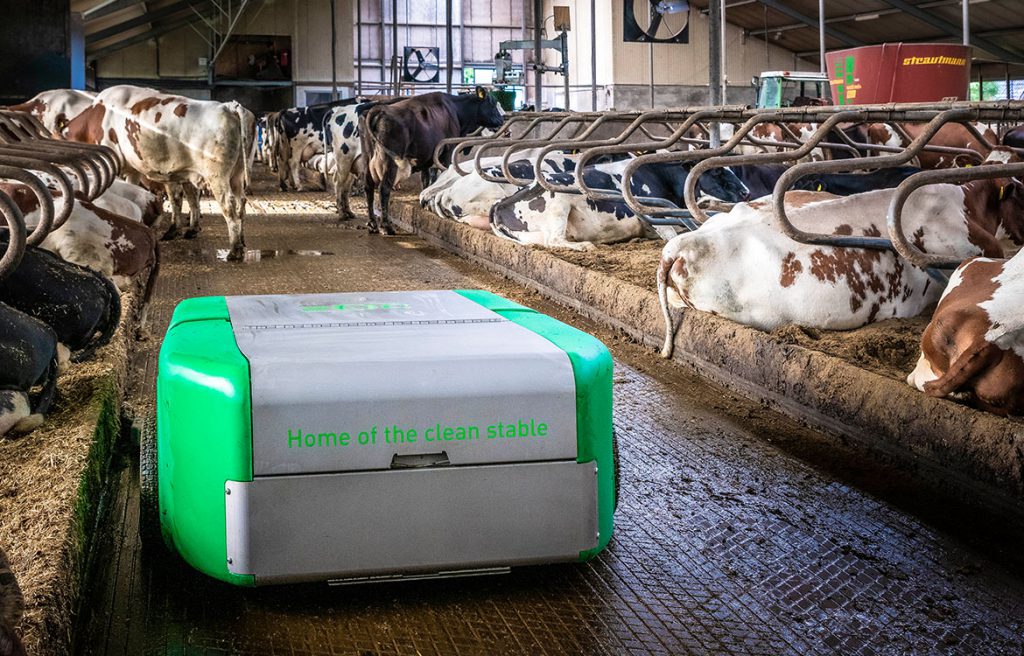
Manure robot: future-proof
Like in the Netherlands, farmers in Luxembourg are bound by numerous regulations surrounding nitrogen emissions. ‘A new agricultural act may be implemented at any time, by which subsidy is only given to barns with the latest low-emission technologies’, says Pierre.
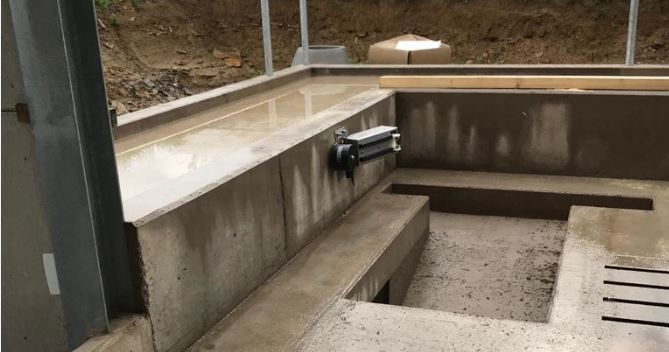
‘So I certainly think that manure robots are going to be an important factor in the future’, he continues. ‘These days the government is no longer in favor of building underground manure storage pits. And with the Barn-E you don’t need them.’
‘The Barn-E fully cleans our manure alley in just two runs’
Cow health
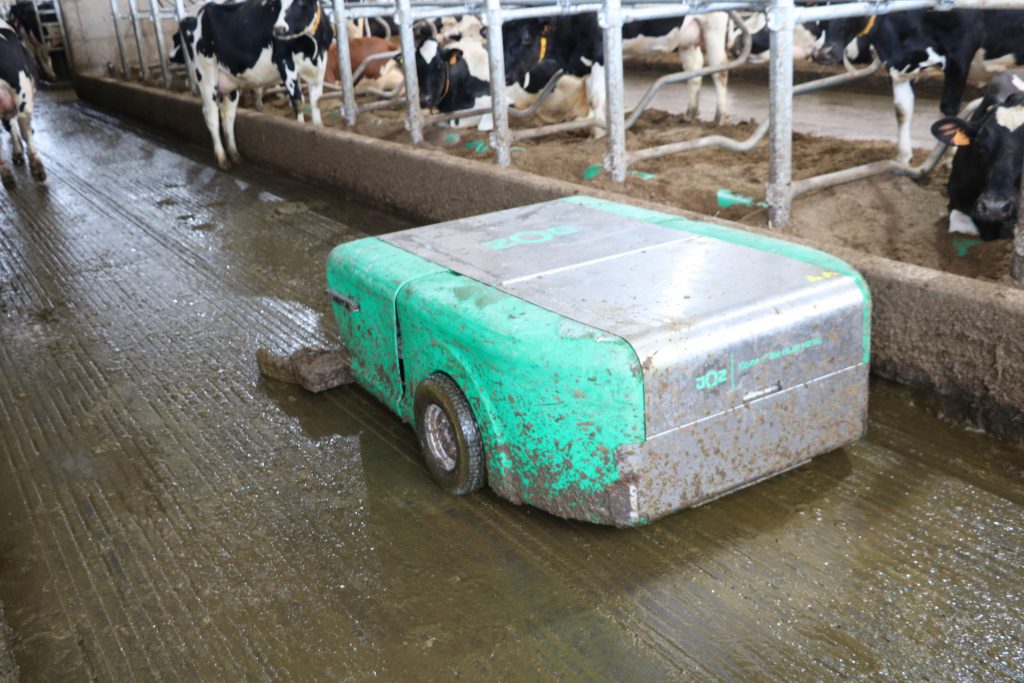
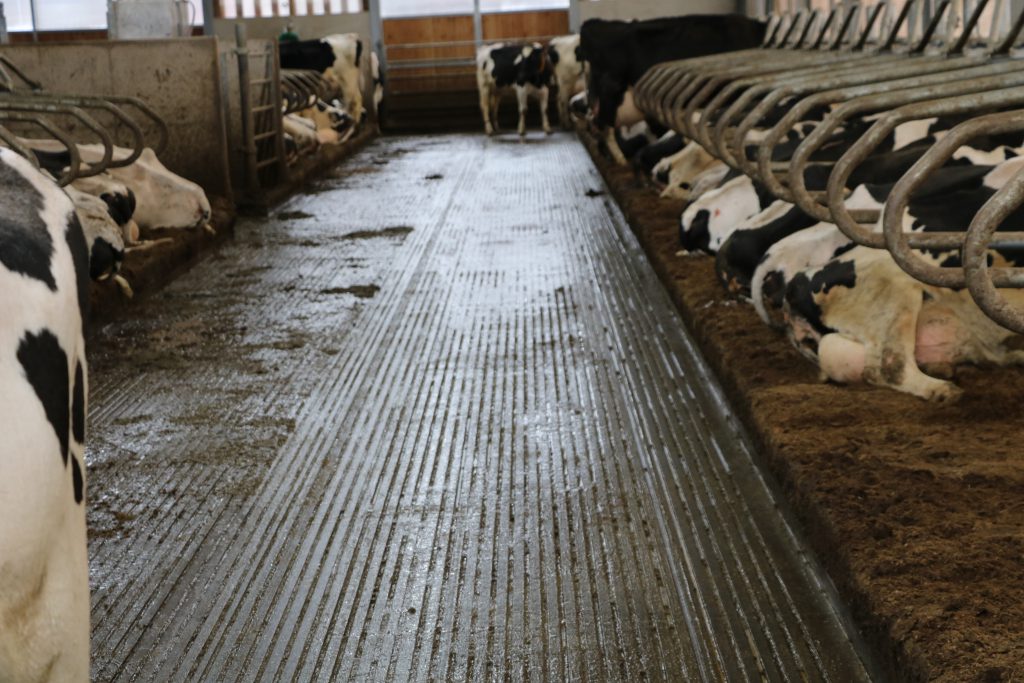
Because a manure robot is beneficial to cattle health, the Birkel family received government subsidy for their Barn-E. ‘Thanks to the Barn-E, cows no longer have to wade through a pool of manure’, explains Pierre. ‘The Barn-E doesn’t push the manure in front of it, but picks it up and leaves a clean aisle behind. Clean manure alleys ensure dry claws, which strongly reduces the risk of Mortellaro disease.’
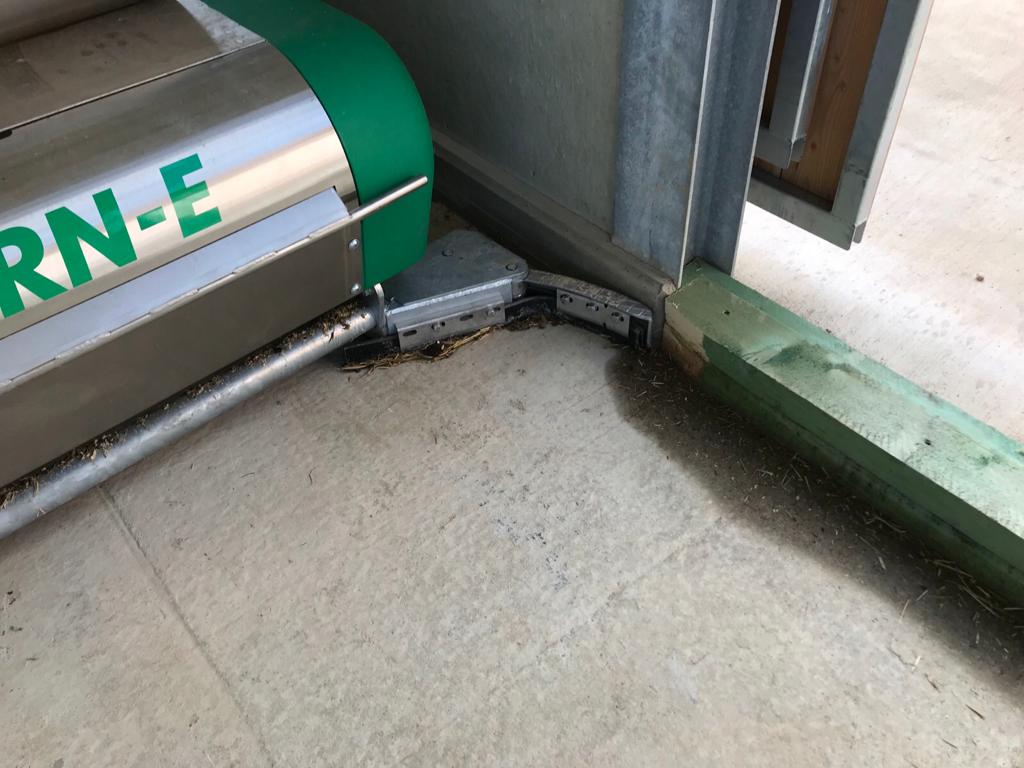
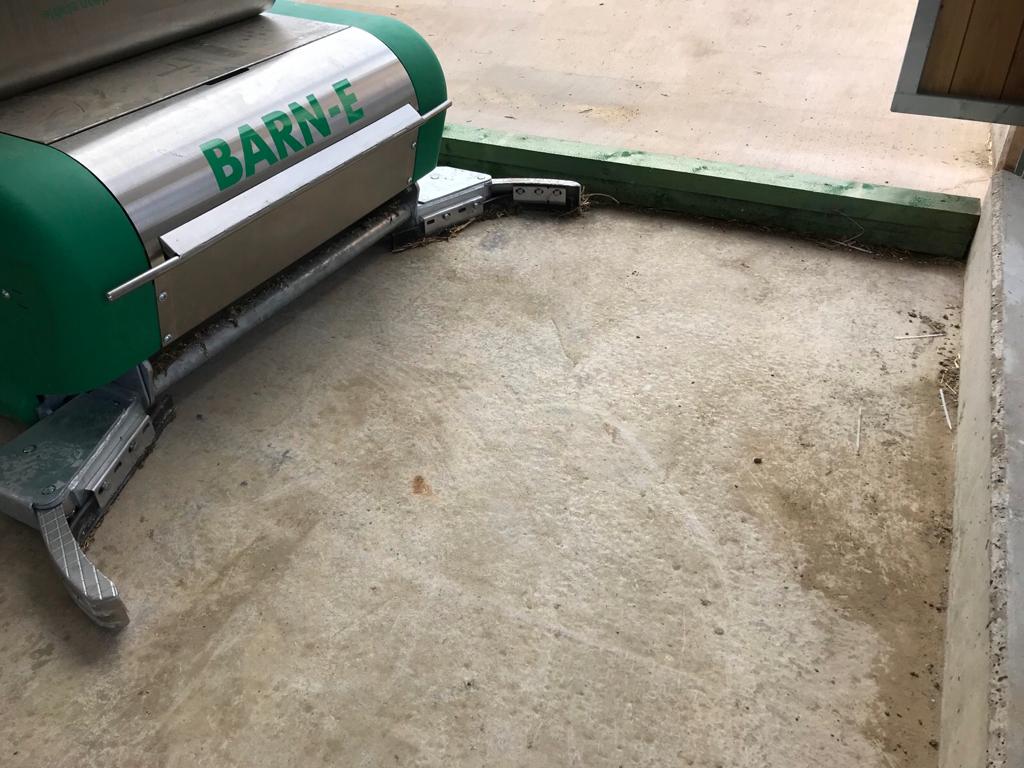
‘Moreover, traditional scraping installations often come with additional obstacles in the barn, mainly near transitions between different spaces. Cows can get injured by these. The Barn-E eliminates such obstacles. Since we are working with this manure robot, our cows have suffered far less claw cracks and as a result we save a lot of time on claw care.
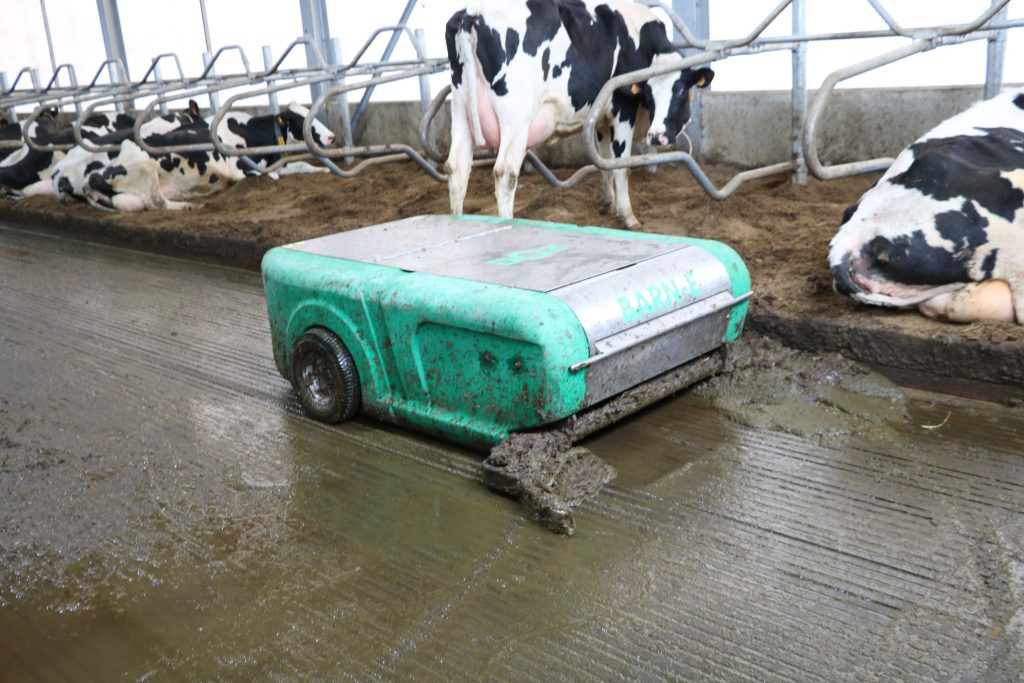
‘The manure robot drives through the barn very calmly, at about 6,5 meter pro minute. It keeps sufficient distance from the cubicle stables and the feed trough, and thus does not disturb the cows. And they easily notice the robot, so if necessary they can get out of the way in time.’
Loading capacity, scraping width and maintenance
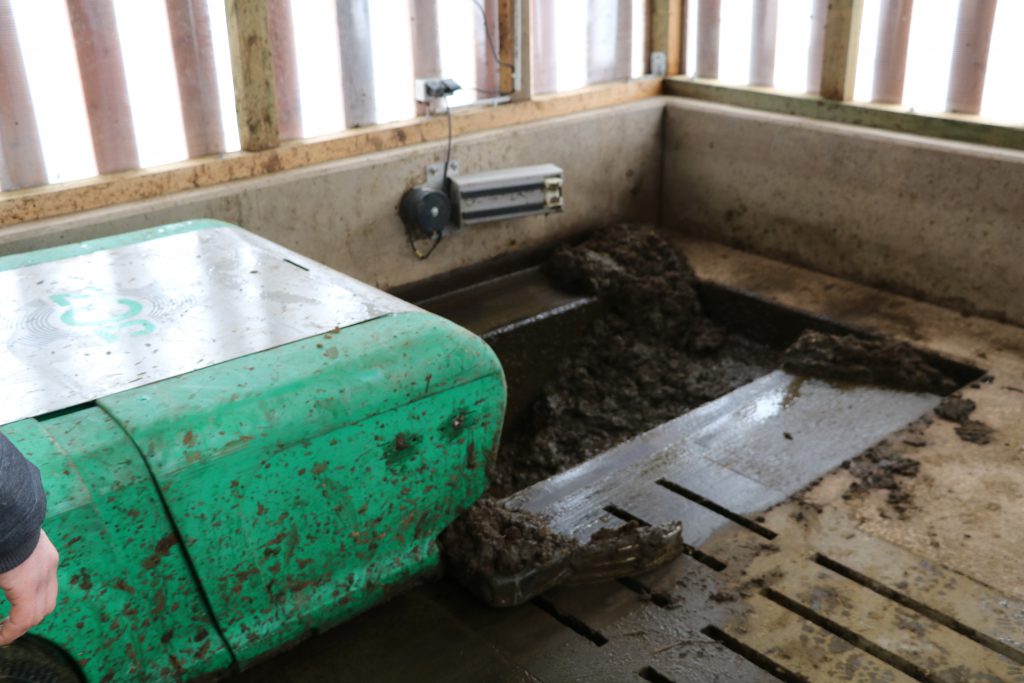
There are currently around 400 animals on the Birkel family’s farm. Therefore the relatively large loading capacity of the Barn-E (no less than 500 liters) means a great advantage for the farm. Pierre: ‘It’s also nice that the Barn-E instantly picks up fine straw that falls from the cubicles into the manure alleys.’
And what’s more, the robot has a scraping width of 185 cm, which is enough to fully clean our manure alley in just two runs,’ he continues. ‘Plus, we no longer have to manually scrape the transition areas. The Barn-E can perfectly handle these. And the wear parts are easily replaceable. To this end we keep in touch with our dealer (Melkzenter). We can easily take care of any other maintenance ourselves’.
The future
The Birkel family wants to further develop and optimize their dairy farm in the future. ‘The next item on the schedule will be the completion of the calf barn,’ says Pierre. ‘Milking is currently done in a spacious milking parlour, but we’re considering automation of this process. Demand for workers is enormous at the moment and finding good, responsible employees is becoming increasingly hard.’
‘In addition, we decided to purchase another Barn-E to replace the scraping installations that have become somewhat obsolete. With these new investments we aim to further improve cattle health, in particular regarding claws.